

What is "Gonzo Journalism?"
“Gonzo journalism” is a style of reporting in which the journalist becomes an active participant in the story rather than a detached observer.
The term is most closely associated with Hunter S. Thompson, who developed the style in the late 1960s and early 1970s.
Traditional journalism tries to be objective and invisible. Gonzo journalism does almost the opposite:
the writer openly includes personal opinions and emotions
the reporting is highly subjective
the writer may exaggerate, satirize, or use literary techniques
events are often described from a first-person perspective
the reporter’s experiences become central to the story
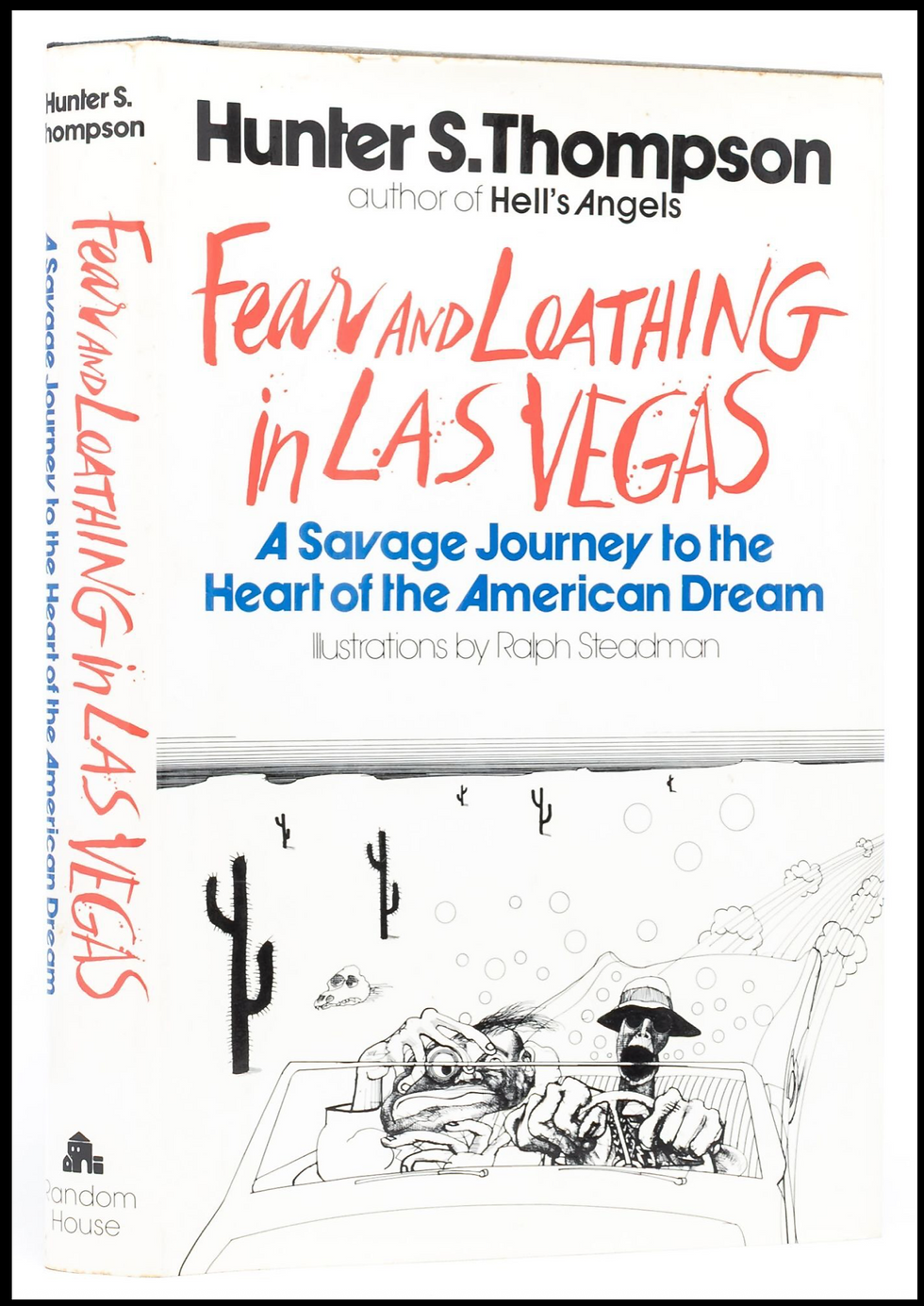
A classic example is Fear and Loathing in Las Vegas, where Thompson mixes real reporting about American culture with surreal scenes, drug experiences, dark comedy, and political commentary.
Another important work is Fear and Loathing on the Campaign Trail '72, where he covered presidential politics in a deeply personal, aggressive, and unconventional way.
The word “gonzo” itself is thought to mean wild, crazy, or excessive. The style often includes:
immersion in the subject
stream-of-consciousness writing
satire and humor
emotional honesty over strict neutrality
blending fact with literary storytelling
Gonzo journalism influenced later generations of writers, filmmakers, bloggers, and documentary creators, though critics argue it can blur the line between truth and performance.
Publishing exceptional books of all genres for 18 years.


Comments