


Writer's Block, How to Overcome It
- schlesadv
- 15 hours ago
- 2 min read
Writer's block is often less about a lack of ideas and more about fear, perfectionism, exhaustion, or uncertainty about what comes next. Different causes require different solutions.
Stop Trying to Write Perfectly
Many writers stall because they are trying to write and edit at the same time. Give yourself permission to write a bad first draft. As novelist Anne Lamott famously suggested, first drafts don't need to be polished—they just need to exist.
Lower the Daily Goal
Instead of aiming for a chapter, aim for:
100 words
One paragraph
Fifteen minutes
Small successes build momentum. Once writers begin, they often continue beyond the original goal.
Skip Ahead
If you're stuck on a particular scene:
Write a later chapter.
Write the ending.
Write a conversation between characters.
You can always return and fill in the missing sections later.
Ask Questions
If you're writing fiction, ask:
What does my protagonist want right now?
What is preventing them from getting it?
What is the worst thing that could happen next?
Conflict generates story movement.
For nonfiction:
What question is the reader trying to answer?
What story best illustrates my point?
What would I tell someone sitting across from me?Change the Medium
Try:
Handwriting instead of typing.
Dictating into your phone.
Talking through ideas with a friend.
Creating an outline instead of prose.
Sometimes changing the method unlocks new thinking.
Read for Inspiration
Read authors you admire—not to copy them, but to remind yourself why you wanted to write in the first place.
For example:
Ernest Hemingway for concise prose.
Toni Morrison for lyrical storytelling.
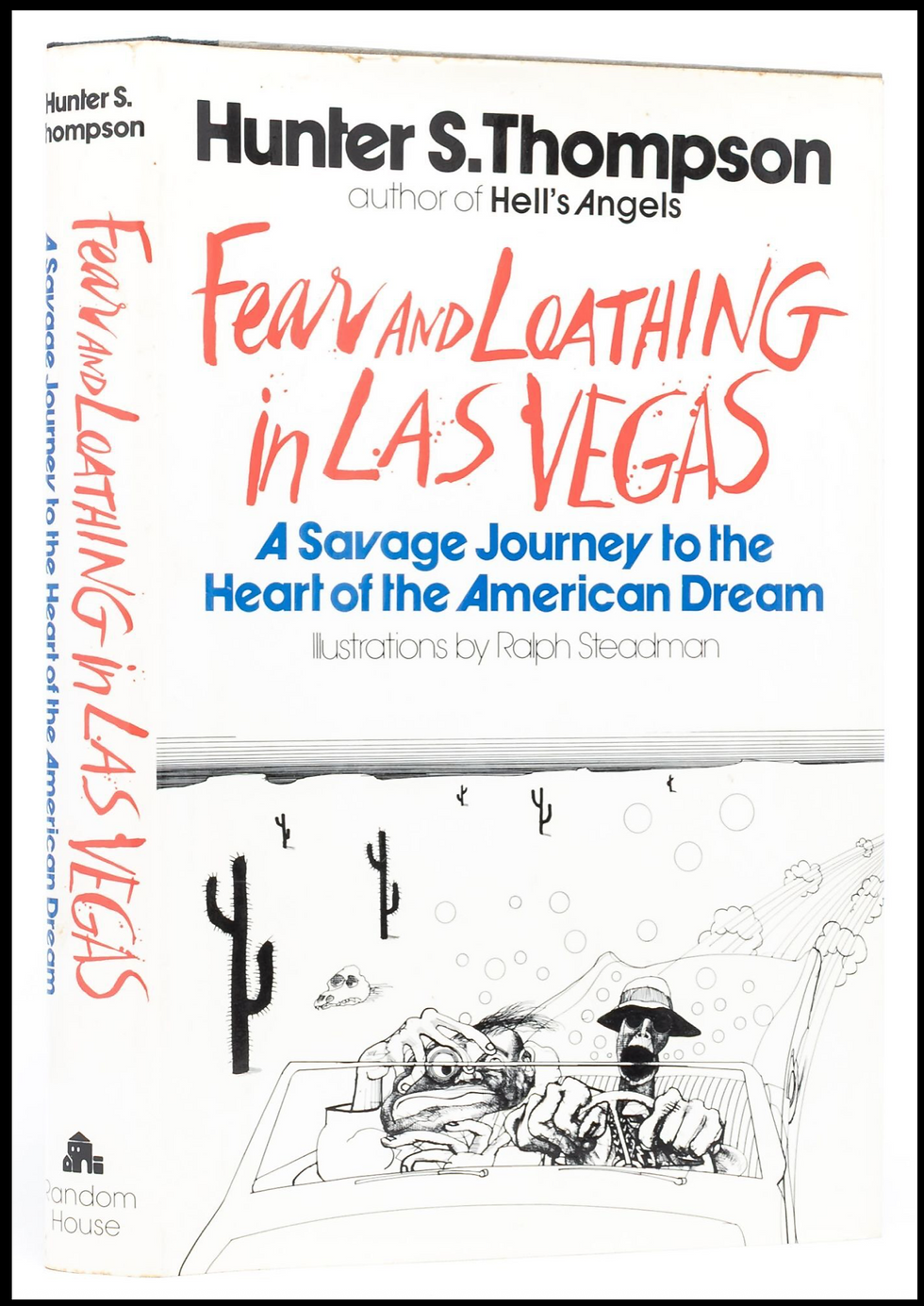
Hunter S. Thompson for distinctive voice.
Jack Kerouac for spontaneity and momentum.
Write About the Block
A surprisingly effective exercise is to write:
"I don't know what to write because..."
Continue for ten minutes without stopping. Often the real obstacle reveals itself.
Reconnect With the Purpose
Ask yourself:
Why did I start this book?
Who am I writing it for?
What do I hope readers will take away?
Purpose can be a powerful antidote to paralysis.
For Authors Working on a Book
One technique that many successful authors use is to stop writing each day in the middle of a scene rather than at the end of one. When you return the next day, you already know exactly what comes next. Ernest Hemingway reportedly used a version of this approach.
For many authors, writer's block is not a lack of creativity. It's often a sign that the writer is putting too much pressure on the next page. Progress usually returns when the focus
from writing something great to simply writing something.

Publishing exceptional books of all genres or over 18 years


Comments